FlowHerFlowHer
  • 简体中文
  • English
  • 简体中文
  • English
  • Understanding Your Cycle

    • How does your body work across the menstrual cycle?
    • What kind of menstrual cycle counts as "regular"?
    • Does an irregular period always mean something is wrong?
  • Body State

    • What is Body State, and why is it more important than dates?
    • What can a low Body State feel like?
    • Can Body State improve?
    • Body State Explained
  • Stress And Mental State

    • Stress is not just emotion: what is physical stress?
    • What is HRV, and why can it reflect your stress state?
    • How does stress disrupt menstrual rhythm?
    • Real-Time Stress Explained
  • Sleep And Recovery

    • Sleep Quality Explained
    • Sleep quality affects your period more than you think
    • How can better sleep support a healthier, more regular period?
  • PMS And Premenstrual Discomfort

    • What is PMS, and why does it feel different for everyone?
    • Why do mood swings, fatigue, and irritability happen before your period?
    • How can FlowHer help you prepare for PMS earlier?
  • Period Pain

    • Is period pain normal, and why does it vary each time?
    • How to ease period pain
    • The relationship between stress, sleep, and period pain
  • Nutrition, Weight And Movement

    • Why does appetite change before your period?
    • How to eat for a more comfortable period: iron, protein, and fiber
    • Should you worry about weight fluctuation around your period?
    • When is it better to move, and when is it better to rest?
  • Reproductive Health And Care

    • Vaginal discharge and intimate care: what changes are normal?
    • Ovulation body signs: discharge, temperature, and mild pain
    • HPV vaccine and cervical screening: what you need to know
  • Mental Health

    • Period-related low mood: when should you seek help?
  • Sexual Function Health

    • Why libido can change with the menstrual cycle
    • Pain with sex and cycle-related discomfort: when to pay attention
  • Body Health

    • Is breast tenderness before your period normal?
    • Period acne and skin changes: why breakouts happen at the same time
    • Are oily hair, shedding, and the menstrual cycle related?
  • When You Wonder If You Are Normal

    • When You Wonder, "Am I Normal?"
  • Product

    • FlowHer Product Overview
    • FlowHer Frequently Asked Questions
    • FlowHer User Agreement
    • FlowHer Privacy Policy

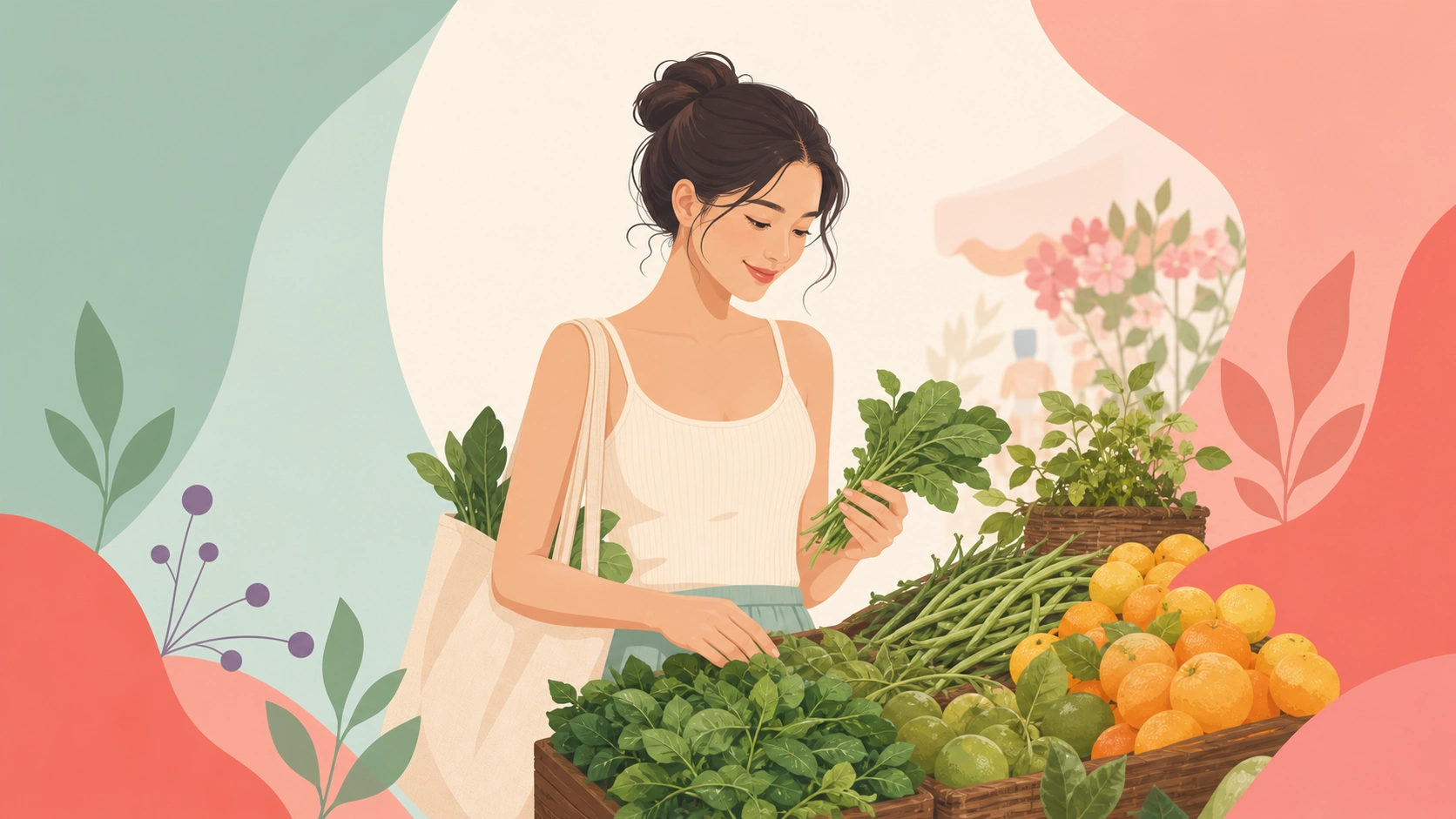
A woman choosing period-friendly ingredients at a farmers market

How to eat for a more comfortable period: iron, protein, and fiber

Period nutrition is not about strict control

Before and during a period, the body may feel more tired, bloated, or drawn to sweet and salty foods. The goal of nutrition is not to restrict yourself, but to support steadier blood sugar, lower inflammatory load, and smoother recovery.

Three things are worth prioritizing: iron, protein, and fiber.


1. Iron: supporting what is lost through bleeding

Menstrual bleeding causes iron loss. Most people do not need extra iron because of one period, but long-term heavy flow or long periods can increase the risk of iron deficiency or anemia [1].

Helpful choices include:

  • Red meat, poultry, fish, shrimp, and eggs
  • Beans, dark leafy greens, and fortified grains
  • Vitamin C-rich foods such as citrus, berries, and bell peppers to support iron absorption

If your flow is heavy and you feel dizzy, weak, short of breath, or have palpitations, consider asking a clinician about a complete blood count and ferritin test.
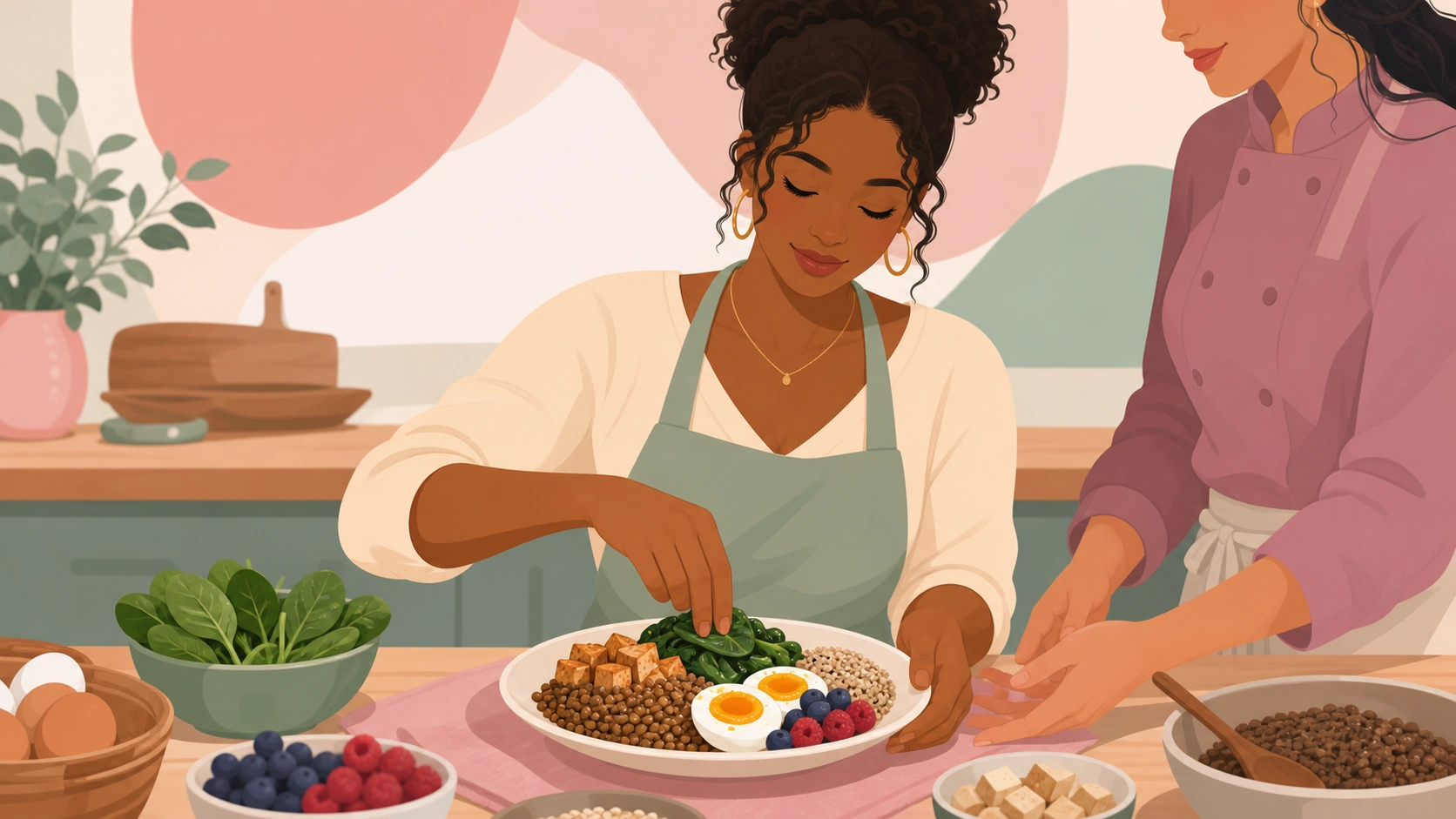

Women preparing iron, protein, and fiber-rich food in a cooking workshop

2. Protein: steadier fullness and energy

When appetite increases before a period, relying only on sweets or refined carbs can make blood sugar swings more noticeable. Adding protein to meals can extend fullness and support steadier energy.

Options include:

  • Fish, eggs, chicken, beef, and yogurt
  • Tofu, beans, and soy milk
  • Nuts and seeds as snacks

3. Fiber and antioxidant foods: supporting bloating and inflammation

Whole grains, vegetables, fruit, beans, and nuts provide dietary fiber and antioxidant nutrients. They support regular digestion and may help the body manage premenstrual bloating and inflammatory load [2].

When you feel uncomfortable during your period, choose easier-to-digest forms such as warm soups, porridge, stews, and cooked vegetables instead of forcing large amounts of raw or cold foods.


Do caffeine, salt, and alcohol need to be completely avoided?

Not necessarily. But if you have clear premenstrual anxiety, poor sleep, breast tenderness, or swelling, you can try reducing the following in the week before your period:

  • High-salt snacks and heavy takeout
  • Large amounts of caffeine
  • Alcohol

Observe for two cycles and see whether symptoms change.


References

  1. Mayo Clinic: Heavy periods and iron deficiency anemia
  2. Cleveland Clinic: What to eat on your period
  3. Harvard Health: Omega-3 foods
Last Updated: 5/3/26, 11:18 AM
Prev
Why does appetite change before your period?
Next
Should you worry about weight fluctuation around your period?